

The working principle of automotive shock absorbers relies primarily on hydraulic cushioning and frictional damping. Taking the common hydraulic shock absorber as an example, the mechanism operates as follows:
Fluid Flow and Damping: When a vehicle travels over uneven terrain, the suspension system absorbs impacts, causing the piston inside the shock absorber to move up and down. This piston movement forces fluid to flow within the shock absorber's internal chambers; as the fluid passes through narrow orifices or valves, friction—both against the walls and between fluid molecules—generates damping force, converting vibrational energy into heat energy.
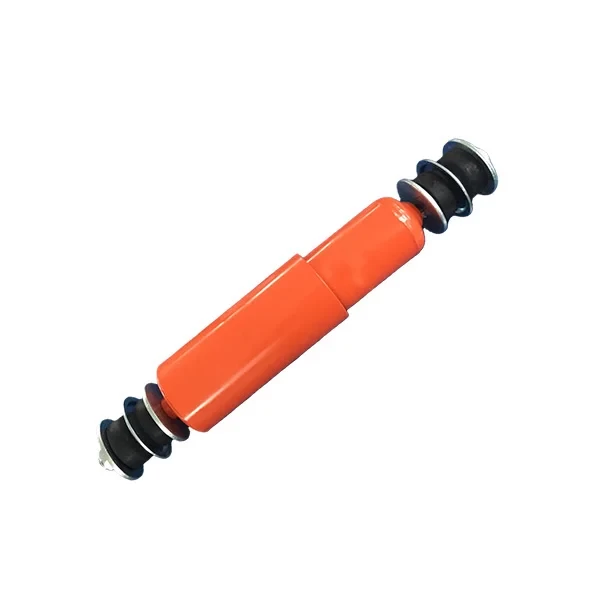
Compression and Rebound Strokes: Shock absorber operation consists of compression and rebound strokes. During the compression stroke, the piston moves downward, reducing the volume of the lower chamber and increasing fluid pressure; fluid flows through the flow valve into the upper chamber. During the rebound stroke, the piston moves upward, increasing pressure in the upper chamber and forcing fluid through the rebound valve into the lower chamber. Throughout these processes, the opening and closing of throttle and compensation valves, combined with the fluid flow rate, determine the magnitude of the damping force.
Damping Force Adjustment: Modern automotive shock absorbers feature adjustable damping capabilities. By altering the size of throttle orifices or the viscosity of the fluid, precise control over damping force is achieved, allowing the system to adapt to varying driving requirements and road conditions.