

To maintain or enhance the performance of your vehicle's shock absorbers, consider the following measures:
Regular Inspection and Maintenance: Periodically inspect shock absorbers for signs of oil leakage, deformation, or damage, and verify that they are functioning correctly. Promptly repair or replace them if any abnormalities are detected.
Select the Right Shock Absorber: A wide variety of shock absorbers is available on the market, including single-acting, double-acting, gas-filled, and adjustable-damping types. Choose the type best suited to your vehicle, driving needs, and budget.
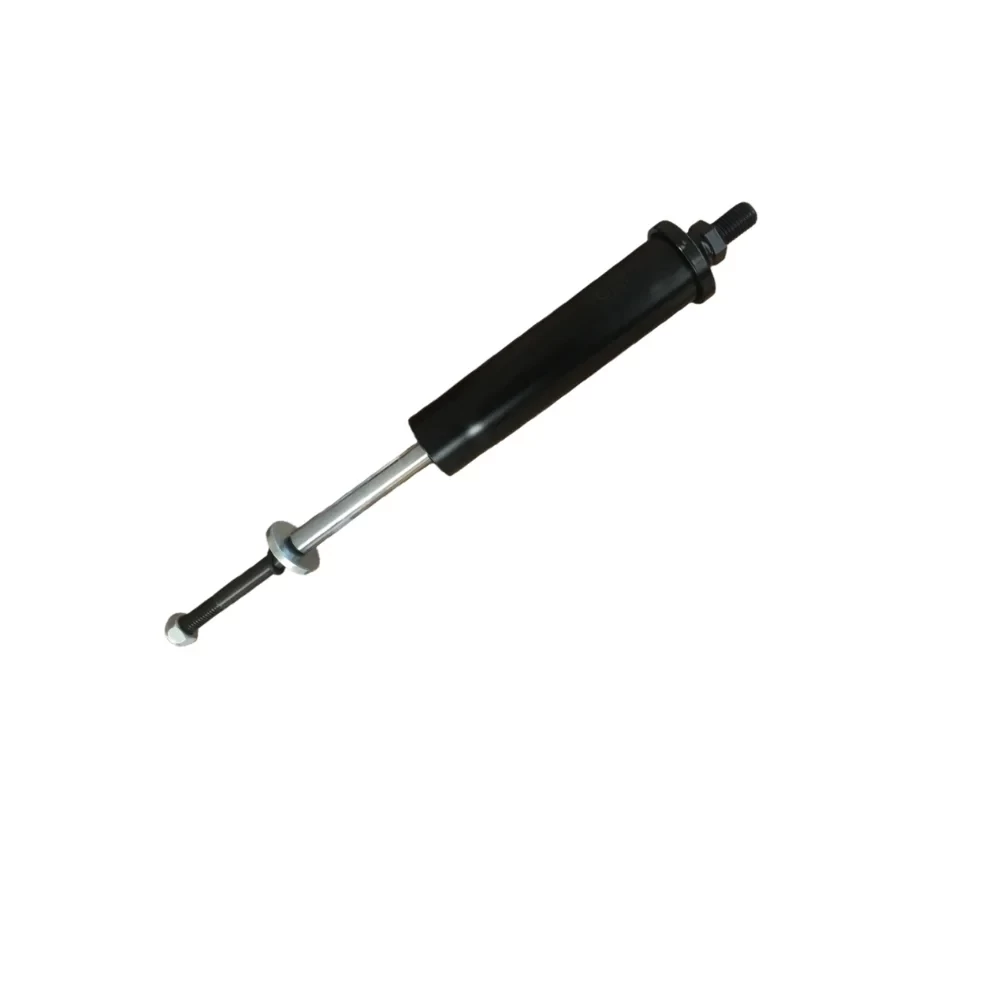
Upgrade to High-Performance Shock Absorbers: Owners seeking superior ride quality and handling may consider upgrading to high-performance shock absorbers. These units often feature advanced materials and designs, offering higher damping forces and finer adjustability, which significantly improve vehicle stability and passenger comfort.
Ensure Proper Spring Matching: Shock absorber and spring performance are interdependent. When replacing shock absorbers, consider spring compatibility to ensure the components work in harmony for optimal damping results.
Pay Attention to Installation and Adjustment: Follow the manufacturer's instructions strictly during installation to ensure the shock absorbers are correctly mounted and adjusted. After installation, conduct a road test to verify that performance meets requirements.
Periodic Replacement: Shock absorbers are wear-and-tear components; their performance naturally declines over time and with increased mileage. Regular replacement is essential to maintain optimal functionality. Generally, replacement is recommended every 80,000 to 100,000 kilometers or every six years, though the specific timing should be determined based on actual vehicle usage and the condition of the shock absorbers.