

Minor oil seepage (no rush): If the shock absorber body shows only a thin film of oil without dripping, and there is no significant sludge buildup, you can wipe it clean, drive for a while, and re-examine it; if there is little change, you can continue using and monitoring it.
Situations requiring immediate replacement:
Oil drips onto the ground, leaving a stain under the car after parking overnight.
The shock absorber body is covered in sludge, indicating a severe leak.
A loud clunking sound occurs when driving over speed bumps, and the vehicle body bounces excessively.
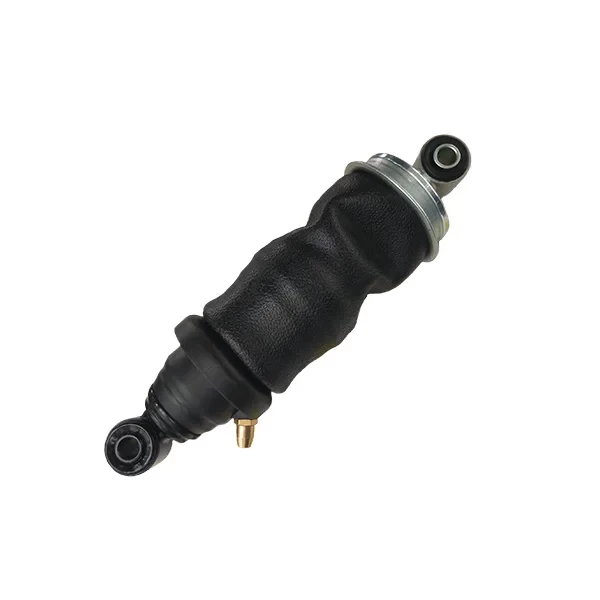
The car "noses dives" significantly when braking, or sways side-to-side like a boat on smooth roads.
After pressing down on the bumper and releasing it, the car bounces more than twice before settling.
Simple self-check methods:
With the vehicle stationary, press down on the corners of the bumper; if it rebounds rapidly and oscillates multiple times before stopping, the shock absorber is likely faulty.
After driving 10 km on rough roads, touch the shock absorber housing; if it is not hot, it indicates a lack of internal resistance and that the unit is not functioning.
Perform an emergency stop while driving slowly; if the vibration is abnormally violent, it suggests a problem with the shock absorbers.